





Tangjiahe,
Part of the Giant Panda National Park
Tangjiahe,
Part of the Giant Panda National Park




Contact us

Back to top





Submit to agree to our
Privacy Policy
Tangjiahe,
Part of the Giant Panda National Park

What sort of environment do wild giant pandas live in?
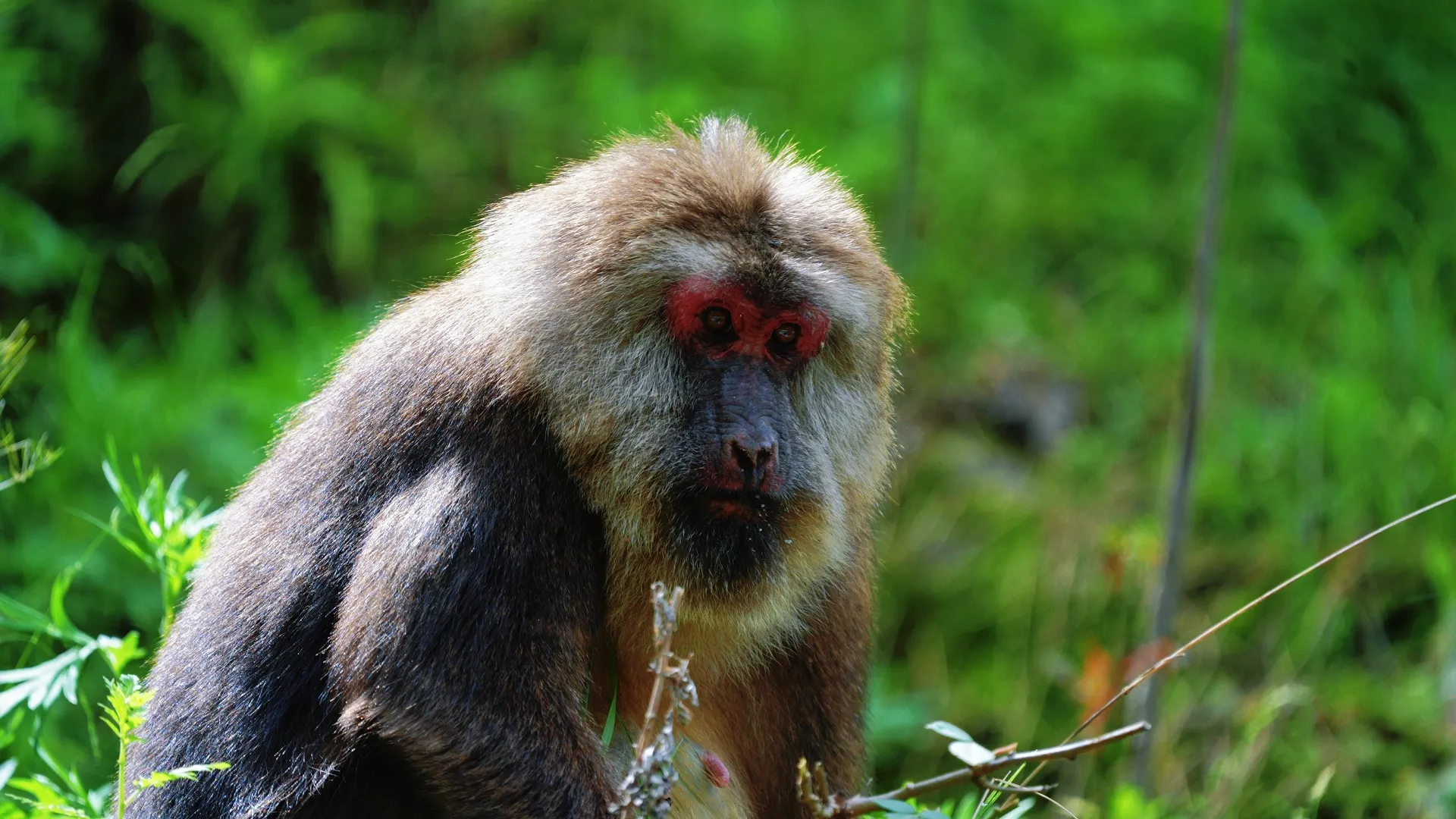
If you want to understand the wildlife of the giant panda, you must visit the Tangjiahe Nature Reserve—part of the Giant Panda National Park. This isabsolutely the best place in all of China to observe wild herbivores in low-to-mid elevation forests. Here, otters frolic in the rivers, Chinese Muntjac wander through the woodlands. Wild boars and tufted deer forage in the undergrowth, while a black bear’s “couch” is not far away, perched among the treetops. The elusive takin can be seen across the mountainsides, and Tibetan macaques wait by the roadside. As for the night shift—yellow-throated martens, leopard cats, red-and-white flying squirrels—and if luck is truly on your side, you might even witness the dramatic spectacle of giant pandas fighting for a mate.
What is the best time of year to explore the giant panda’s habitat?
When the snowmelt from the high peaks trickles down into the valleys, and fresh buds burst from the trees along the riverbanks, spring has arrived inTangjiahe, part of the Giant Panda National Park.
With over four decades of conservation history, Tangjiahe Nature Reserve is arguably the most accessible mountain forest in China—and even the world—for spotting wildlife in the wild.
Every winter and spring, giant pandas travel along the ridgelines in search of “scent trees”—tall, sturdy trees growing in prominent locations. In Tangjiahe, these are mostly firs. By urinating or rubbing their perianal glands against the bark, pandas leave behind messages. After a whole winter of such communication, every panda in the forest has received spring’s signal. It’s time to mate.
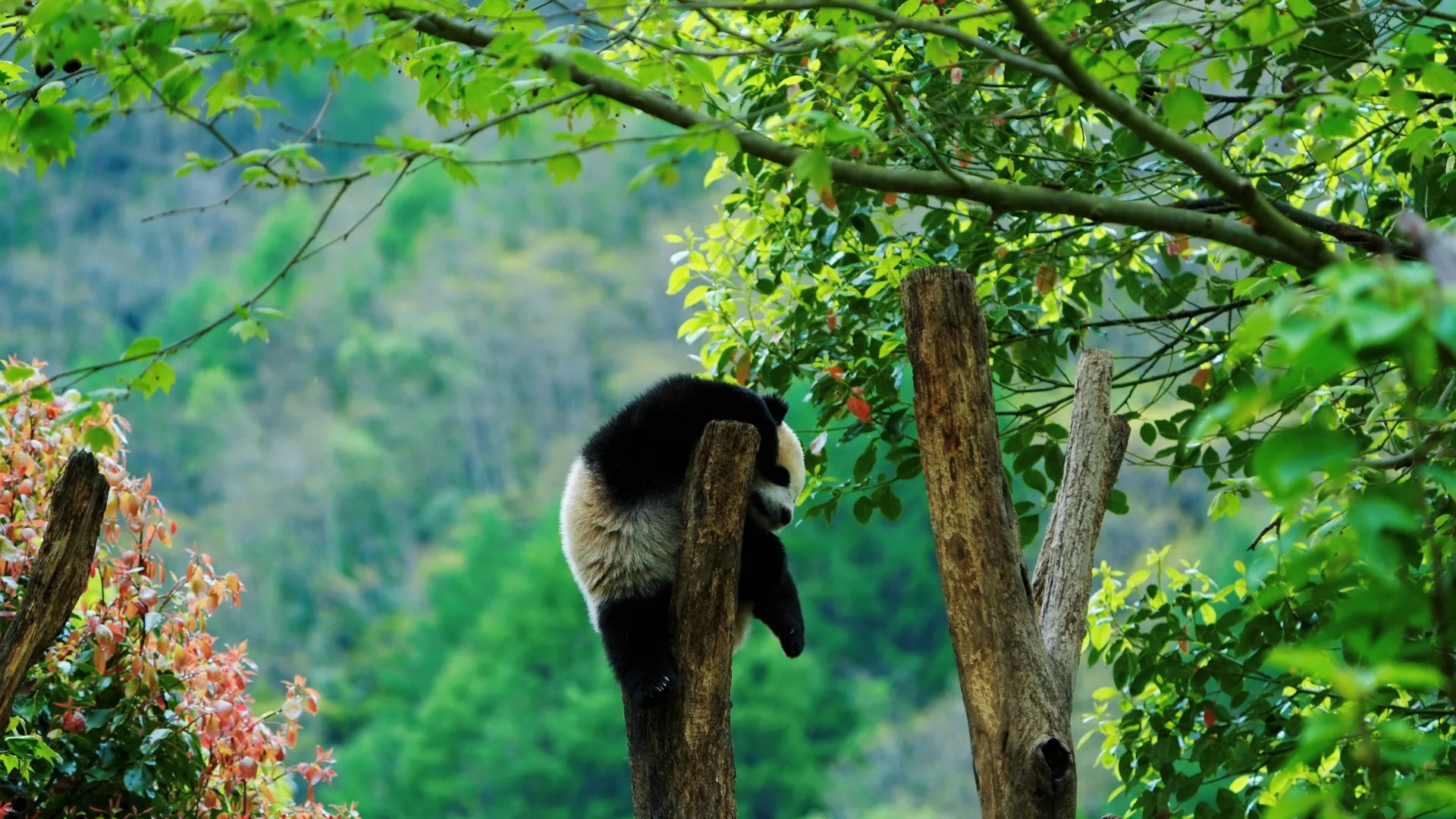
March marks the peak of the giant panda mating season. Females typically climb high into the trees, while below, a gathering of males engages in fierce competition—their roars echo across the valley. Only the victor earns the right to be chosen. But even that guarantees nothing. The final decision rests with the female, who watches the battle from her treetop perch. Before summer arrives, the pandas will migrate to higher-elevation bamboo forests, where they vanish from our sight. There, the females begin to nurture new life.
What animals can be seen in the giant panda habitats in China?
Eurasian otters patrol the waterways. This is one of the best places in China to observe them. Though fish make up most of their diet, their true delicacy is the Andrews’s toad. Awakening from hibernation, these toads engage in fierce mating battles—sometimes dozens clustering together in a frantic, writhing ball. For otters, it’s an easy feast. To avoid the toads’ toxic glands, they skillfully peel the skin away before eating. Finding discarded toad skin is the surest way for researchers to track otter movements.
Wild boars and Chinese Muntjac are everywhere—and they are prey for the Asiatic golden cat. About the size of a medium dog, the golden cat is elusive and rarely seen. Tangjiahe is home to three color variants of this cat, making it one of the most important strongholds for the species in China.
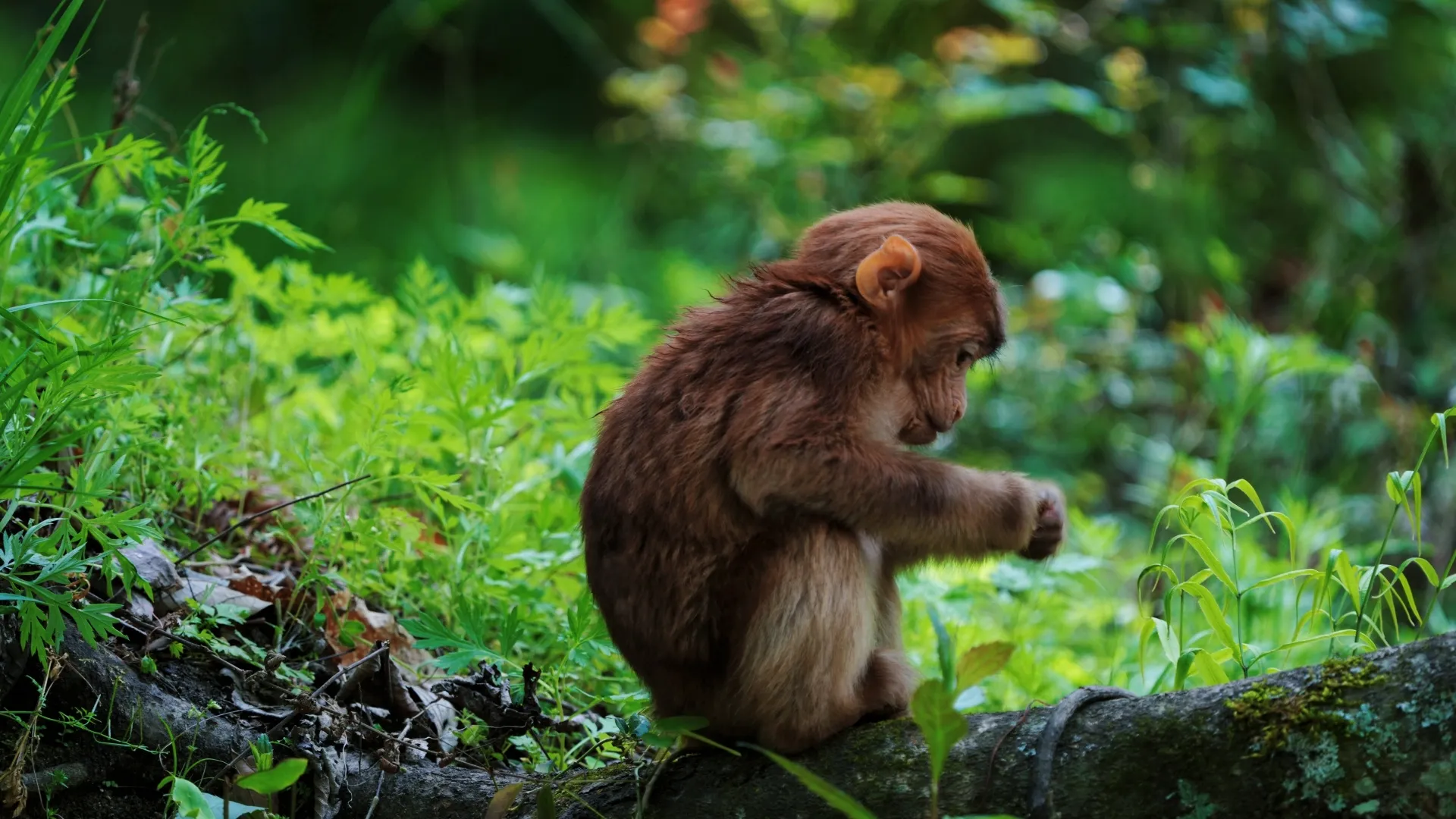
Around 400 Tibetan macaques live in Tangjiahe. They often gather along the roadsides, having grown accustomed to life alongside humans.
In the primitive forests of the Minshan Mountains, between 1,500 and 3,000 meters above sea level, lives a primate found nowhere else on Earth, the Sichuan golden snub-nosed monkey. Cloaked in a golden “cape,” with its unique upturned nose and striking blue face, it is the undisputed animal star of the Minshan range.
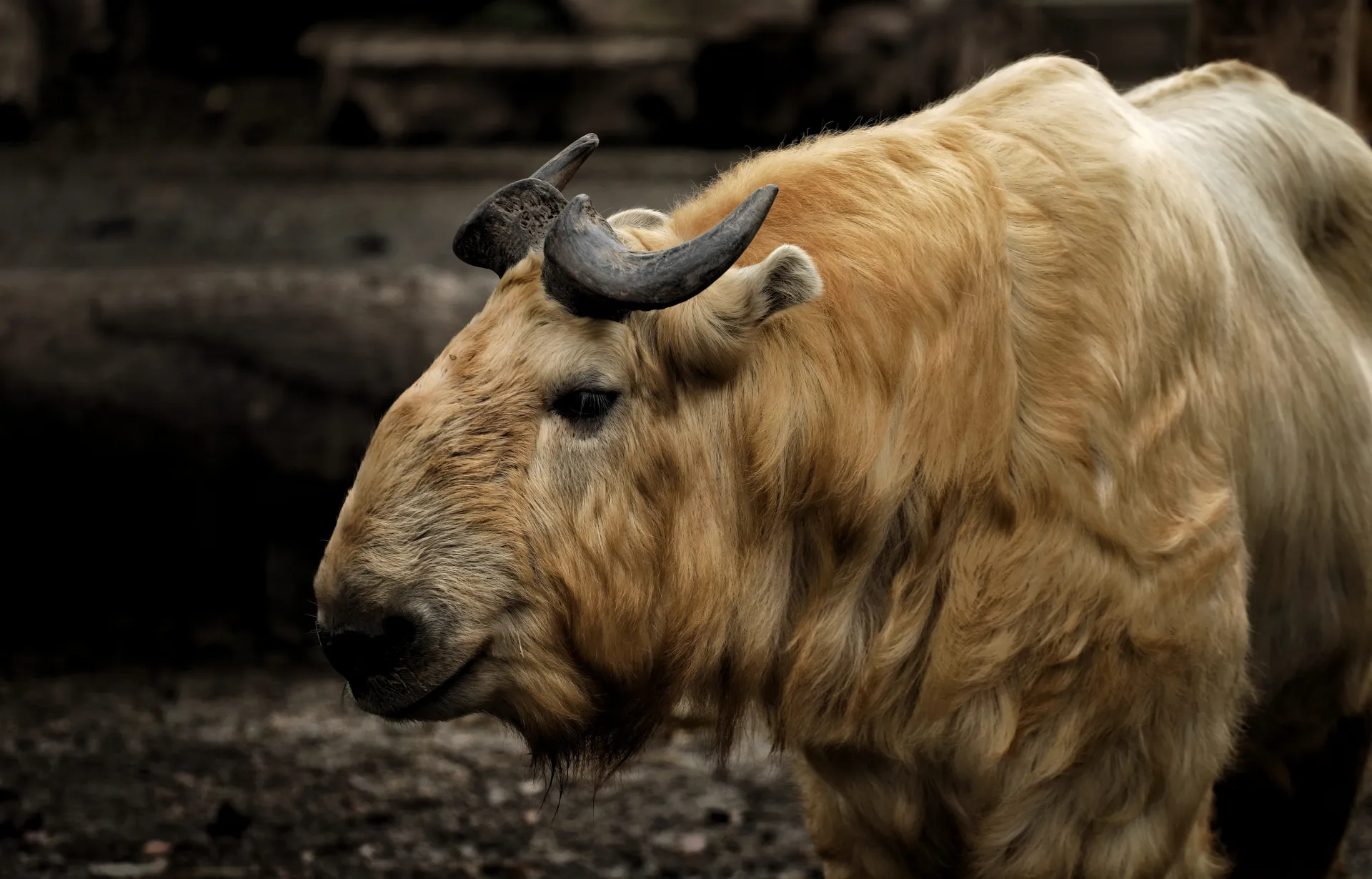
In Tangjiahe, takin is a common sight on the hillsides. But when summer arrives, they ascend to alpine meadows above 3,000 meters. Spring is the best time to see them. Mating occurs in late summer or early autumn in the high meadows. After a nine-month gestation, newborn takin begins following their mothers, learning the skills they’ll need to survive.
Interesting Behaviours of Chinese Wildlife
Spring is also the season of courtship for many pheasant species. Lady Amherst’s pheasant and Temminck’s tragopan have unique displays. The tragopan performs an extraordinary dance, revealing fleshy, cobalt-blue “horns” that suddenly inflate from beneath its head feathers. Meanwhile, a bib-like wattle—also bright blue—expands and sways across its chest, dotted with delicate spots, pulsing in and out with the rhythm of its courtship.
As night falls over Tangjiahe, leopard cats call out to each other with a soft “meow.” They are abundant here, roughly the size of a house cat, their bodies covered in striking rosettes. Using night-vision gear, we can watch them hunting mice in the trees with remarkable grace.
Porcupines gnaw deep grooves into the bark of lacquer trees with their prominent incisors. While the tree’s resin is highly toxic to most, to the porcupine, it’s a feast.
It’s prime time for the Asian black beer to raid beehives. Though food is plentiful here, the bears simply cannot resist honey.
The night-hunting expert, the tawny fish owl, demands pristine water quality. Along Tangjiahe’s streams and riverbanks, it perches motionlessly on low branches or rocks, eyes fixed on the water. The moment it spots a fish, it plunges down, snatching its prey with powerful talons. The tawny fish owl and the Eurasian otter share a remarkable ecological coexistence here, both serving as vital indicators of a healthy, intact river ecosystem.
The yellow-throated marten may be small in stature, but it is one of the forest’s top predators. A creature of the night, it has no natural enemies—so fearless that it sometimes hunts in daylight, driving Chinese muntjac and tufted deer—animals larger than itself—into the river before delivering the fatal blow.
The Giant Panda National Park is one of China’s richest landscapes in terms of natural beauty and biodiversity. Here, you can discover China’s wild side. With expert guidance, you can immerse yourself in the homeland of the giant panda, learn about its wild behavior, and search for signs of its presence. For all this and more, Tangjiahe Nature Reserve is the ultimate choice.Join Exploring Panda National Park!
Start customizing your exclusive !

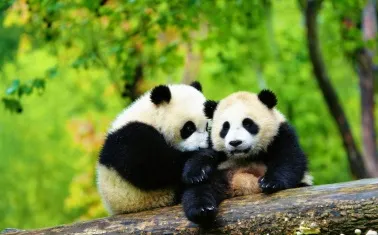
We will take you on an in-depth adventure through the Giant Panda National Park, where you will learn about the wild lives of giant pandas and Golden snub-nosed monkeys in their natural habitats, and discover wildlife unique to China. You will also have the opportunity to get involved in giant panda conservation efforts by becoming a giant panda volunteer.Here, you can not only appreciate the beautiful and rich natural environment of China but also deeply experience Chinese culture

You will have an incredible journey, experiencing the work of a panda keeper, visiting the ancient town to learn from a kung fu master as your teacher, and joining the ranks of heroes.
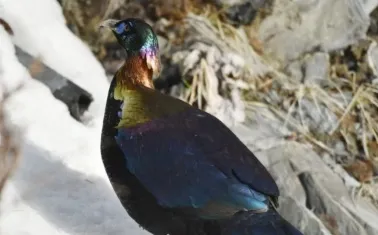
Sichuan not only has unique pheasants in China but is also the most concentrated area of the raven finch in the world, making it a paradise for observing pheasants and raven finches. It is also a gathering place for both ancient and young species, with birds and beasts running wild in the mountains and fields, interpreting the wild side of western Sichuan.
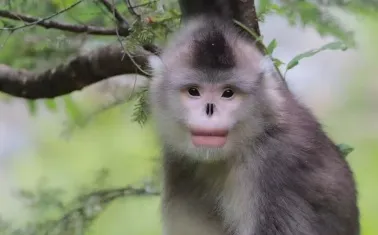
The Shangri-La region is not only a rich species gene bank but also one of the best-preserved biodiversity hotspots in China. Numerous rare and unique species thrive here, including the Yunnan Snub-nosed Monkey, Stryker's Snub-nosed Monkey, Skywalker Hoolock Gibbon, Sclater's Monal, Slender-billed Scimitar Babbler, and Fire-tailed Myzornis. Moreover, this is also one of the most culturally diverse regions in China.


+86-28-62058618

info@bestecotours.com

No. 889, Section 1, Riyue Avenue,
Qingyang District, Chengdu City,
Sichuan Province

Copyright © 2026 •BESTECOTOURS
| Open Positions | Privacy Policy | Terms and Conditions | Manage Cookies