





Exploring Shangri-La&Gaoligong Mountains
Exploring Shangri-La&Gaoligong Mountains

14 Days / Mar-Oct




Contact us

Back to top





Submit to agree to our
Privacy Policy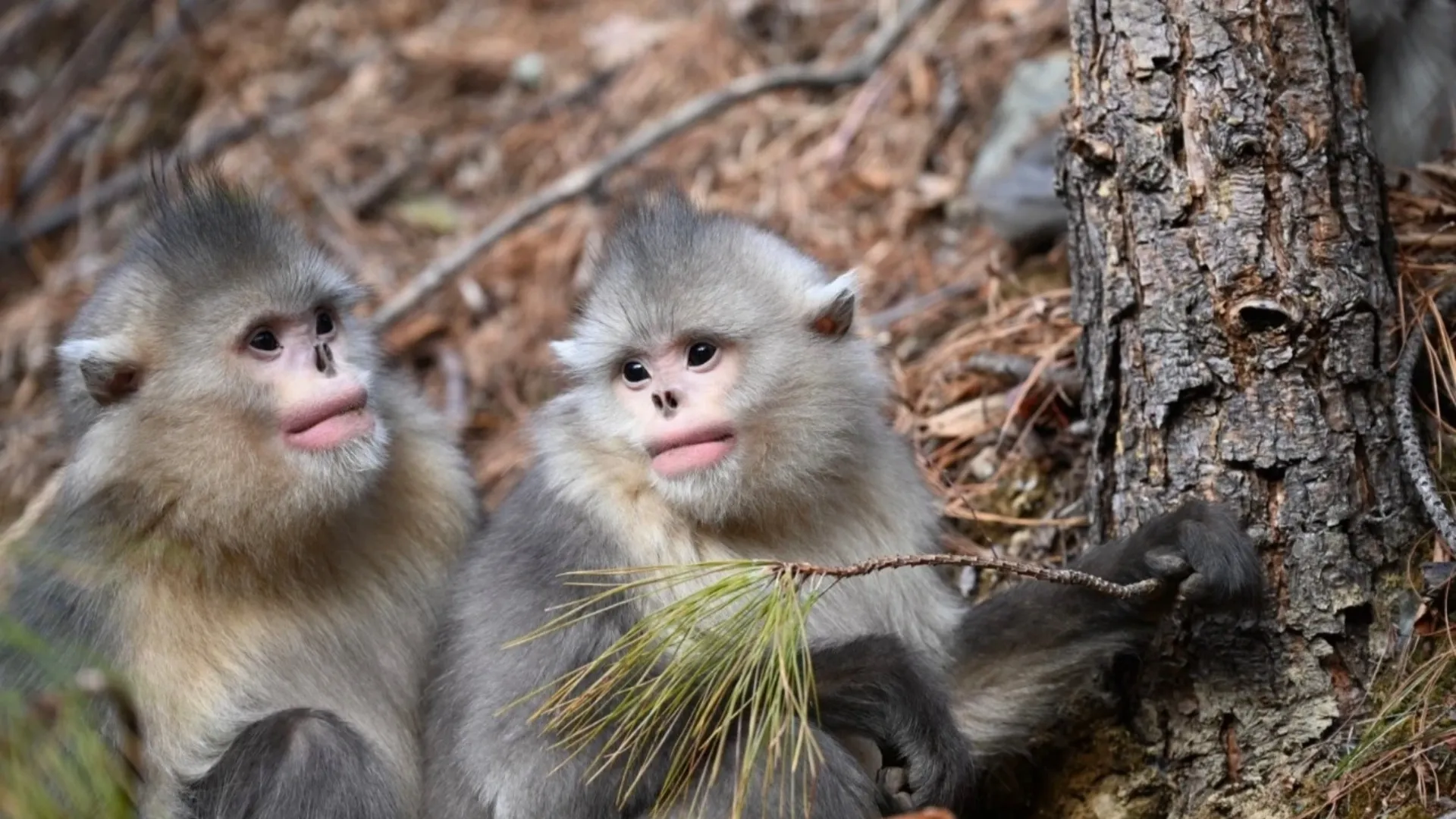
Exploring Shangri-La&Gaoligong Mountains
14 Days / Mar-Oct


14 Days / Mar-Oct

Yunnan Snub-nosed Monkey Conservation Project

Shangri-La is often referred to as a paradise for explorers. In the latter half of the 19th century, waves of Western scientists, explorers, and missionaries continued to delve deeper into the region of Shangri-La. They conducted geological surveys, collected biological samples, and simultaneously spread their religious beliefs.
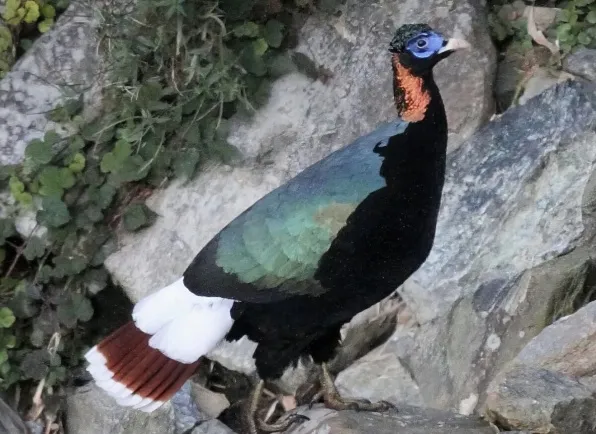
This is because it is not only a rich repository of species genetic material, but also one of the regions in China with the most complete preservation of biodiversity. Numerous rare and unique flora and fauna call this place home and reproduce here. Examples include Yunnan Snub-nosed Monkey, Stryker's Snub Monkey, Sclater's Monal, Slender-billed Scimitar Babbler, and the Fire-tailed Myzornis. Furthermore, it is also one of the regions with the richest cultural diversity.

Why BestEcotours?
Few visitors have the opportunity to witness the natural wonders of the Gaoligong Mountains, which are often overshadowed by China’s cultural attractions; join us and you’ll have the chance to experience their splendour for yourself.
Exploring the Gaoligong Mountains promises to be a fascinating adventure for any nature lover. The Gaoligong Mountains are not only one of China’s most intact regions in terms of biodiversity, but also a place of immense cultural richness and diversity. We will take you beyond the usual tourist hotspots, guiding you deep into the heart of the Gaoligong Mountains like true explorers to discover the lesser-known, enchanting side of Shangri-La – an in-depth, authentic and personalised exploration that only Bestecotours can offer.
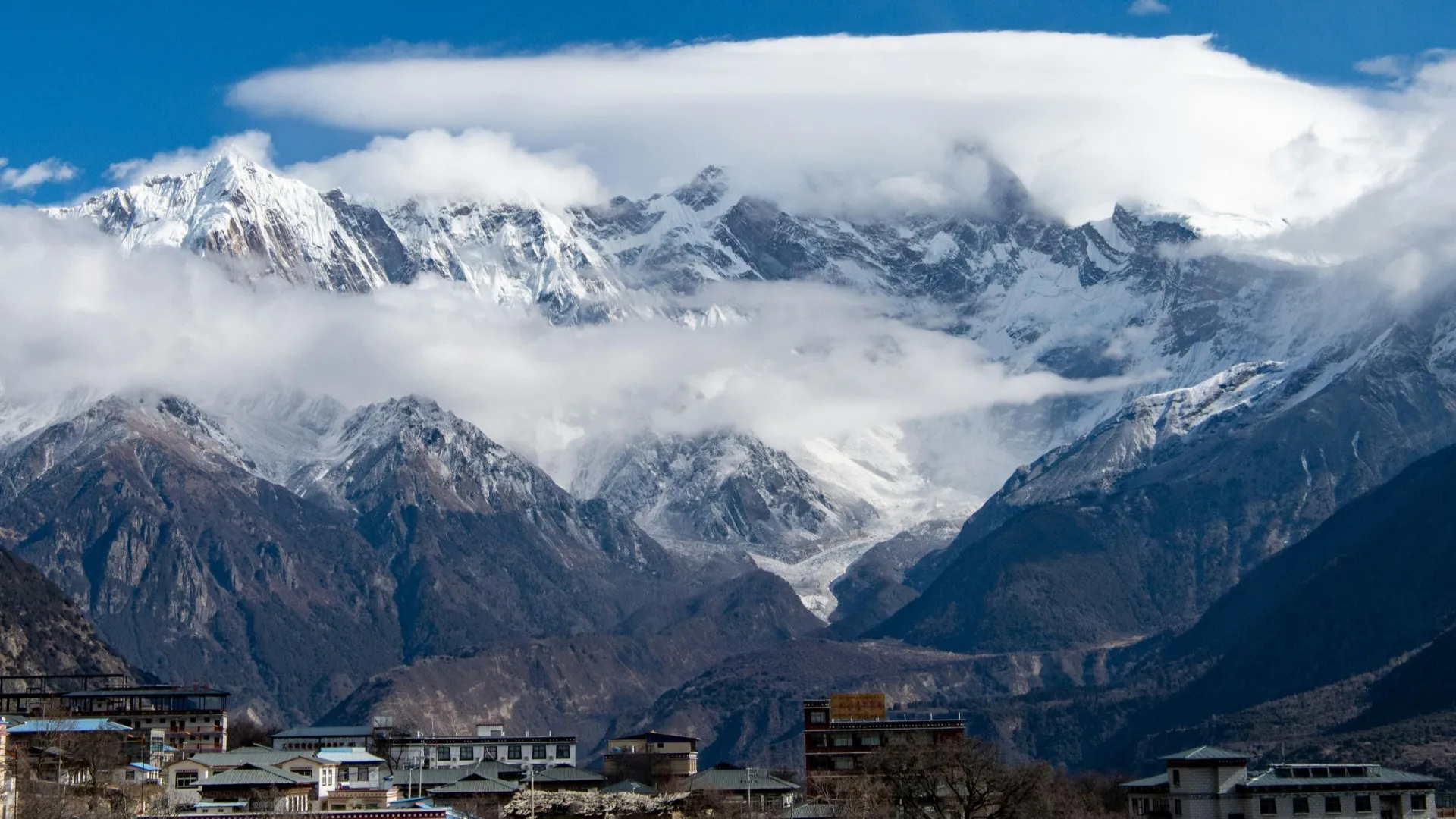
No other itinerary covers such a wide range of terrain and habitats as this one. From the snow-capped peaks of Shangri-La, the secluded Three Parallel Rivers region, the five-star birding destination of Baohualing, and the ‘Tongbiguan Nature Reserve’—a veritable kingdom of flora and fauna—to the tropical rainforests of Mangshi, you will experience the breathtaking biodiversity of the Gaoligong Mountains.
Due to its unique ecological environment, Gaoligong Mountain served as a ‘refuge’ for flora and fauna during the Ice Age. To this day, it remains home to numerous unique and endangered species. Even now, it harbours many undiscovered and fascinating species, continually offering surprises to visitors. A host of species, including Yunnan Snub-nosed Monkey, Sclater‘s Monal, Strker’s Snub-nosed Monkey, Shortridge’s Langur , Himalayan Takin, Red Panda, Skywalker Hoolock Gibbon, Shan Langer and Hornbill, make their home here – a sight that is sure to leave you in awe!
The elusive Yunnan Snub-nosed Monkey inhabits the Baima Snow Mountain in Shangri-La, which is the prime spot for spotting them. This tour is designed to offer you the most immersive experience of observing these monkeys at close quarters. You will also visit an ancient Lisu village, where local conservationists will share stories about the discovery and protection of the Yunnan Snub-nosed Monkey.
Here lie a multitude of ethnic cultures, even more unique and mysterious, largely unknown to Western travellers. We shall visit different ethnic groups, stay with Tibetan families and join them in preparing a Tibetan-style afternoon tea, visit the Duluo people in the heart of the Gaoligong Mountains to meet the vanishing women with facial tattoos, and meet the Lisu people who safeguard the Yunnan snub-nosed monkeys. At a station along the ancient Tea Horse Road, we shall experience the life of a horse caravan. The diversity of ethnic groups, languages and religious beliefs adds a further layer of enchantment to the entire journey.
In addition to large luxury hotels, some of our accommodation is located within nature reserves, designed to offer you an experience that blends seamlessly with the natural world. At our forest camp in the Baima Snow Mountains, you’ll be surrounded by Yunnan snub-nosed monkeys and can hear their calls. Our tranquil guesthouse on the Dulong River is tucked away in the mountains and gorges, cut off from the outside world. In Shangri-La, we’ve chosen the renowned Banyan Tree, where traditional Tibetan log cabins offer the most authentic Shangri-La experience.
Spotting wildlife in the forest requires expert skills, which is why having a top-class nature guide is essential. We will arrange for two guides to accompany you throughout the trip. One is an English-speaking guide responsible for coordinating your entire itinerary; he is not only fluent in spoken English but also possesses profound expertise in ecology, as well as extensive knowledge of history and Chinese culture. In addition, we will provide you with an experienced natural habitat expedition guide who will personally lead you on your exploration of the magical Gaoligong Mountains.
Throughout our service, Bestecotours remains committed to environmental principles and is dedicated to providing you with a travel experience of exceptional quality. When it comes to habitat exploration, we not only offer you opportunities for a deeper exploration of your destination, but can sometimes even take you to areas arranged exclusively for you, allowing you to discover more unique species. At the same time, we strive for the highest standards in every detail of our itinerary services to ensure we deliver on our promise of quality – a commitment for which we have long been renowned.

Itinerary

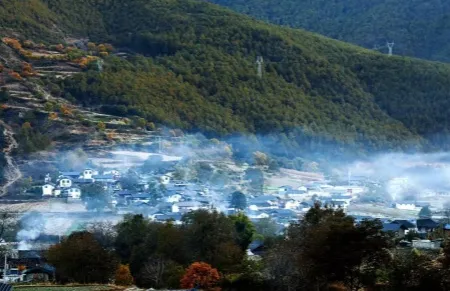
Your Best leader will greet you at the airport and guide you through Dukezong, appreciating ancient architecture, turning the giant prayer wheel together, and tasting Tibetan sweets such as butter tea and yak yogurt.
In Shangri-La, you will stay at Banyan Tree, a hotel situated in a river valley. The buildings are traditional wooden Tibetan structures, featuring handcrafted wooden bathtubs, Tibetan carpets, and Tibetan handicrafts. Here, you can immerse yourself in the secluded, tranquil atmosphere of Shangri-La, surrounded by snow-capped mountains, with rivers flowing down from the peaks passing right by your door. Local residents will present you with Hada (ceremonial scarves), a unique Tibetan greeting. You may stroll leisurely by the river or visit a nearby Buddhist temple to listen to the evening prayers of the monks. This is a truly "Shangri-La" experience.
After enjoying a Tibetan hotpot made from local highland ingredients such as matsutake mushrooms and yak meat, we will hold a pre-trip briefing titled The Gaoligong Mountains – A Species Gene Bank.

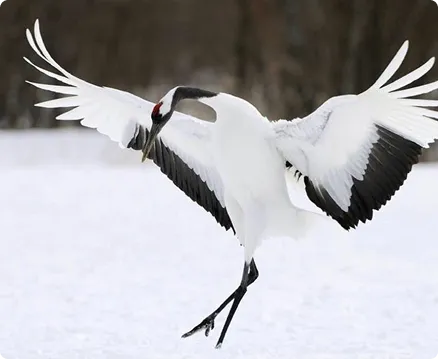
Songzanlin Monastery exudes an awe-inspiring religious atmosphere and houses exquisite Tibetan artworks. We will visit during the morning chanting of the monks, feeling the profound power of faith. Napahai Wetland Nature Reserve is a seasonal alpine lake situated along the migration route of western China’s migratory birds, providing food and habitat for passing and wintering birds as well as raptors. It is also a key site for observing the Black-necked Crane, the only crane species that lives and breeds on high plateaus and the last to be scientifically described. Here we can observe Black-necked Crane, Black Stork, Bar-headed Goose, White-tailed Eagle, Eastern Imperial Eagle, Steppe Eagle, Common Crane, Tufted Duck, Eurasian Bittern, Himalayan Vulture, Wallcreeper, White-throated Dipper, Rufous-breasted Accentor, Greylag Goose, and more.
We pass through the magnificent Jinsha River Gorge en route to the Lisu village of Xiangguqing, where we will stay in a forest lodge surrounded by mountains and drifting clouds (our exclusive camp location). This is the habitat of the mysterious Yunnan Snub-nosed Monkey. With a guide, we will search for the monkeys and listen to local conservationists share the story of their discovery and protection.
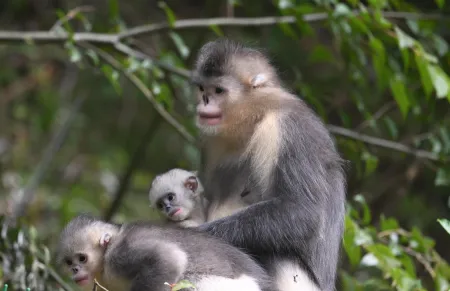
Before dawn breaks over the forest, we once again enter the cloud forest to search for the Yunnan Snub-nosed Monkey. Critically endangered and endemic to China, it is found only in isolated high-altitude forests. Its black-and-white fur, large round eyes, alluring red lips, and a small tuft of "punk hairstyle" standing upright on its head make it truly distinctive. We then travel to Dêqên at the foot of Meili Snow Mountain, with stunning canyons, snow peaks, and the rushing Lancang River along the way.
Our hotel offers the best vantage point for viewing Meili Snow Mountain—you can enjoy the scenery from your room. We will visit a Tibetan village, enter a local Tibetan home, and help prepare dinner, beat butter tea, and knead tsampa. Joining the locals in prayer and sang (incense burning) offerings, we will hope for the magical sunrise view of Kawagebo Peak bathed in golden light.

At dawn, the long stretch of snow-capped mountains appears coated in gold under the rising sun—a phenomenon locals call "Golden Mountain Sunrise." For Tibetans, every emergence of golden light is a blessing from the sacred mountains.
We proceed to the confluence of three rivers, with forests and pastures interwoven outside the window. The Dulong River is one of China’s best-preserved primitive ecological regions, known as "Yunnan’s Last Secret Land" due to its long-term isolation. The primeval forests here are tranquil and shrouded in clouds, home to countless rare and unique species.
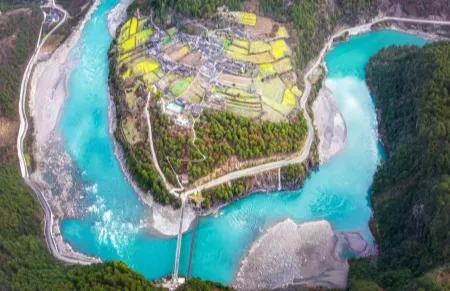
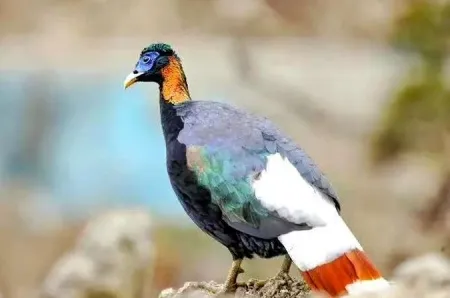
Deep in the Dulong River Valley lives the ancient, secluded Dulong people. We will visit a traditional Dulong village and meet tattoo-faced elders. Behind the tattoos lies the history and sorrow of ancient people. Sclater's Monal is a treasure of the Gaoligong Mountains, extremely rare due to its small population and limited range. The Dulong River area is its primary habitat. With expert guidance, we will seek out this extraordinary bird. Additionally, the endangered Shortridge's Langur, Himalayan Takin, and the rare Fire-tailed Myzornis—all unique to the Dulong River region—are also targets of our expedition.
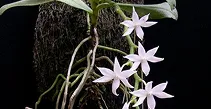
We continue birding and wildlife watching in the Dulong River area. (The Dulong River region is rich in wildflowers, including many rare orchids, and is also a kingdom of rhododendrons. Best time: May–August. Orchids include Gastrochilus calceolaris, Bulbophyllum forrestii, Coelogyne corymbosa, Coelogyne pianmaensis, Coelogyne prolifera, Bulbophyllum odoratissimum, Pholidota chinensis, Bulbophyllum levinei, Gastrochilus spp., Pleione albiflora, etc.)
After concluding our exploration of the Dulong River area, we travel to Gongshan.
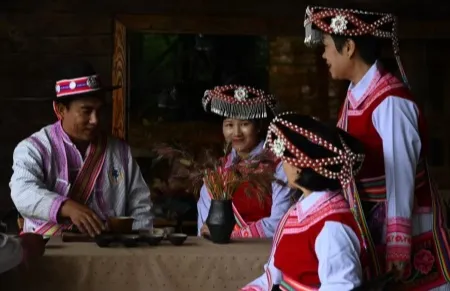
Cable crossing is a most distinctive cultural feature of the Nujiang Gorge. The unique topography of mountains clamping rivers made cable crossings an essential mode of transport for early residents of the Hengduan Mountains. With the passage of time, only a few remain. We will experience this vanishing mode of transport, which explorer Joseph Rock documented in his writings. Along the way, we view and learn about Yunnan’s terraced fields, which have existed in China for thousands of years, shaped by unique geography and farming culture.
Passing through Laomudeng at the foot of Biluo Snow Mountain, we will dance the "Dabiya" dance with the local Nu people. We will listen to the folk song "Odede," an essential tune for Nu men and women expressing love and taste the Nu specialty hand-grabbed rice.
We then proceed to Baihualing deep in the Gaoligong Mountains.
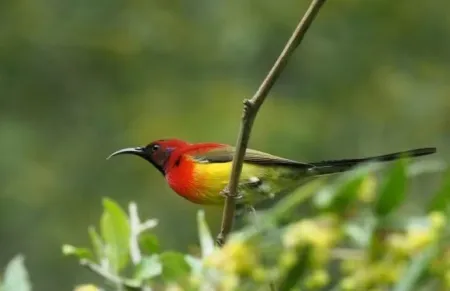
The Gaoligong Mountains in the Hengduan range are recognized as one of the most biodiverse regions on Earth. With a vertical drop exceeding 4,000 meters and spanning five latitudinal zones, Gaoligong preserves the world’s only complete transition zone from humid tropical forest to temperate forest. Baihualing is like the Garden of Eden, a window into the Gaoligong Mountains. It boasts one of China’s most complete vertical vegetation spectra and is the only place on Earth where tropical forest transitions to temperate forest. Currently, 431 bird species have been recorded. Under the guidance of our leader, we will explore this mysterious treasure trove of species, searching for rare birds in different habitats: Scarlet Finch, Slender-billed Scimitar Babbler, Rufous-throated Partridge, Streaked Spiderhunter, Wedge-billed Wren-Babbler, Puff-throated Babbler, Whiskered Yuhina, Grey-cheeked Fulvetta, Rusty-capped Fulvetta, White-bellied Yuhina, Black-headed Sibia, Long-tailed Sibia, Beautiful Sibia, White-gorgeted Flycatcher, Striated Bulbul, Scarlet-winged Blackbird, White-bellied Redstart, Rufous-capped Babbler, Black-headed Sibia, Golden-headed Babbler, Flavescent Bulbul, Striated Green Bulbul, Mountain Bulbul, Crested Finchbill, Grey-capped Pygmy Woodpecker, Crimson-breasted Woodpecker, Great Barbet, Blue-throated Barbet, Greater Yellownape, Golden-throated Barbet, Bay Woodpecker, Grey-headed Canary-flycatcher, Golden-winged Laughingthrush, Red-tailed Laughingthrush, Red-winged Bush Robin, Blue-winged Laughingthrush, Grey-sided Laughingthrush, Plain Laughingthrush, Small Niltava, Large Niltava, Chestnut-vented Nuthatch, Black-breasted Thrush, Orange-headed Thrush, Eyebrowed Thrush, Long-tailed Thrush, Scaly Thrush, Grey Bush Chat, Yellow-cheeked Tit, Golden-eyed Fulvetta, Wedge-tailed Green Pigeon, White-throated Fantail, Spot-breasted Scimitar Babbler, Golden-crowned Kinglet, Grey-bellied Tesia, Mountain Tailorbird, Chestnut-headed Tesia, Scaly-breasted Wren-Babbler, Golden-spectacled Warbler, Rusty-breasted Blue Flycatcher, Black-breasted Sunbird, Mrs. Gould's Sunbird, Crimson Sunbird, Green-tailed Sunbird, Mountain Bamboo Partridge, Collared Scops Owl, Oriental Scops Owl, etc.

In the morning, we continue birding at Baihualing, filling any gaps in our target species list.
Tengchong is our next destination. En route, we will stop at a coffee estate for lunch and to taste Baoshan coffee. Yunnan’s small coffee arabica is renowned worldwide. During the coffee-growing process, we will sample coffee-cooked eggs.
Tengchong lies on the boundary between the Eurasian Plate and the Indian Plate. Intense geological activity has created spectacular natural landscapes: 99 young volcanoes lie sleeping, while groundwater forms hot spring vents throughout the city. This was also a key node on the ancient Silk Road, with many historical relics. We will stroll along ancient streets lined with ginkgo trees, taste Tengchong specialties such as steam pot chicken, and enjoy the relaxing hot spring experience that Tengchong is famous for.
We depart for Yingjiang, home to the critically endangered River Tern. The Dayingjiang River Basin in Yingjiang is the only known stable breeding site in China, with extremely low numbers—only sporadic individual records. Other bird species along the way include Alexandrine Parakeet, Golden-eyed Fulvetta, Rufous-necked Laughingthrush, Green Bee-eater, Collared Myna, and River Lapwing.
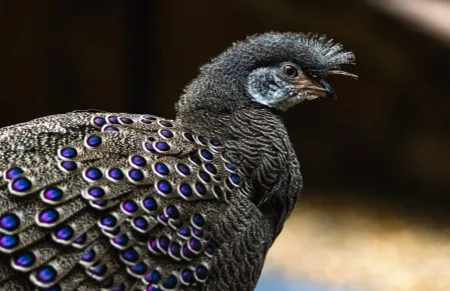
The Tongbiguan Nature Reserve preserves intact tropical rainforest, with dramatic elevation gradients encompassing multiple vertical climate zones and unparalleled natural resources. Bird diversity is exceptionally rich. Among the many bird species, the Grey Peacock-Pheasant is one of the most striking, while the Hodgson's Frogmouth is a master of camouflage, often resembling a tree branch. At night, possible targets include Eagle Owl, Mountain Scops Owl, Collared Scops Owl, Oriental Scops Owl, Bay Owl, Barn Owl, Brown Wood Owl, as well as Slow Lorises and Flying Squirrels.
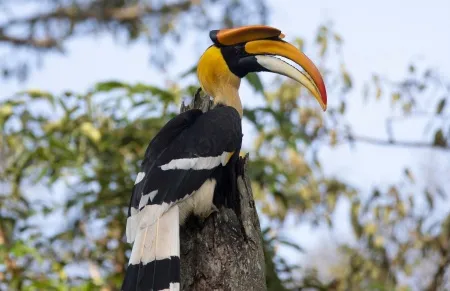
This area has relatively intact hornbill habitat and stable populations, making it an ideal place to observe hornbills. We can observe the Great Hornbill, Wreathed Hornbill, and Oriental Pied Hornbill as they create fleeting yet captivating scenes of love in the rainforest.
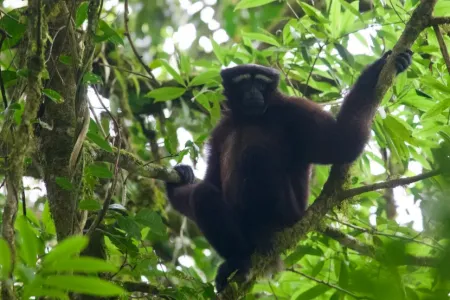
We will venture deep into the Yingjiang Tongbiguan Nature Reserve to explore the habitat of wild Skywalker Hoolock Gibbons and track this species. The Gaoligong Mountains’ most globally captivating flagship species is the Skywalker Hoolock Gibbon, with fewer than 43 groups remaining and an individual population below 200—critically endangered. They typically live in monogamous family units. Skywalker Hoolock Gibbons are natural singers, capable of solos and male-female duets. Each morning, they emit loud and passionate calls—whether for courtship, duets between mates, or territorial declaration.
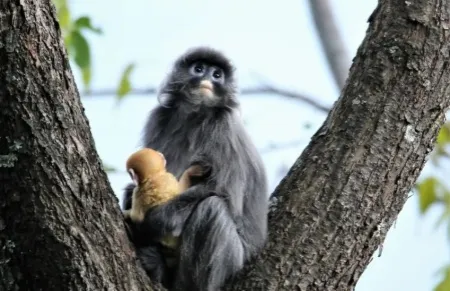
At Mangxinhe, we seek a group of endangered little spirits—the Shan Langur. They primarily live in dense broadleaf forests of tropical and subtropical zones, are social animals, prefer the upper canopy, and feed mainly on leaves, buds, and some seeds, with a fondness for visiting salt licks.
We will visit a Jingpo village, prepare Jingpo-style grilled meat with the locals, and drink their unique sour tea.
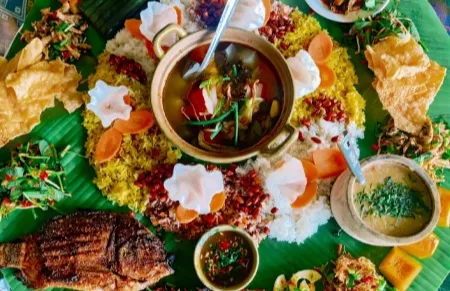
Mangshi is a border city in China adjacent to Myanmar, filled with Southeast Asian ambiance. We can wander the streets of Mangshi, visit Menghuan Silver Pagoda and Menghuan Great Golden Pagoda, shop at local markets like the residents do, and taste tropical fruits and Dai-style barbecue.
Your Best leader will escort you to the airport, bringing your memorable Gaoligong Mountains exploration to a successful conclusion.
Accommodation and catering
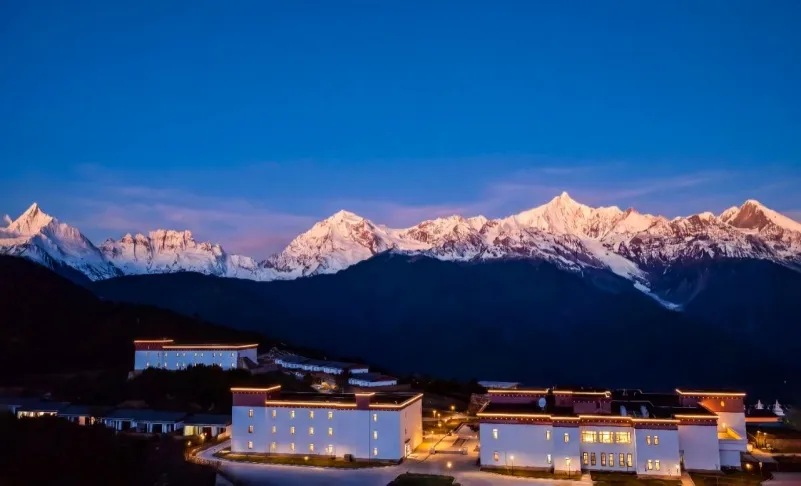
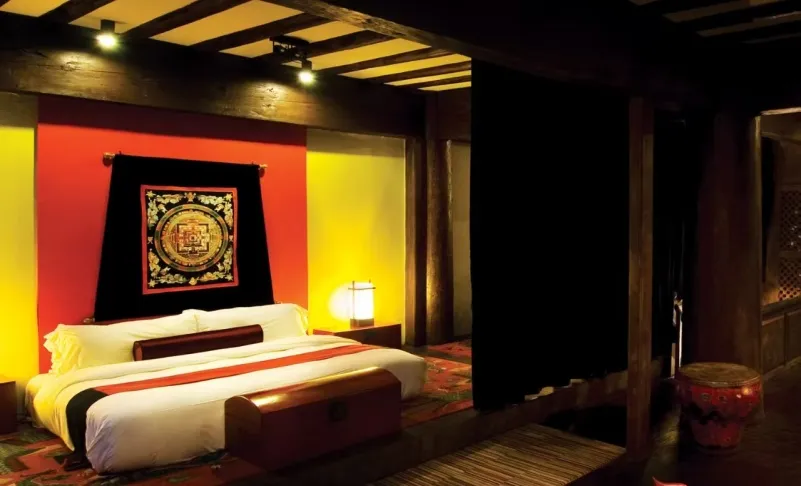
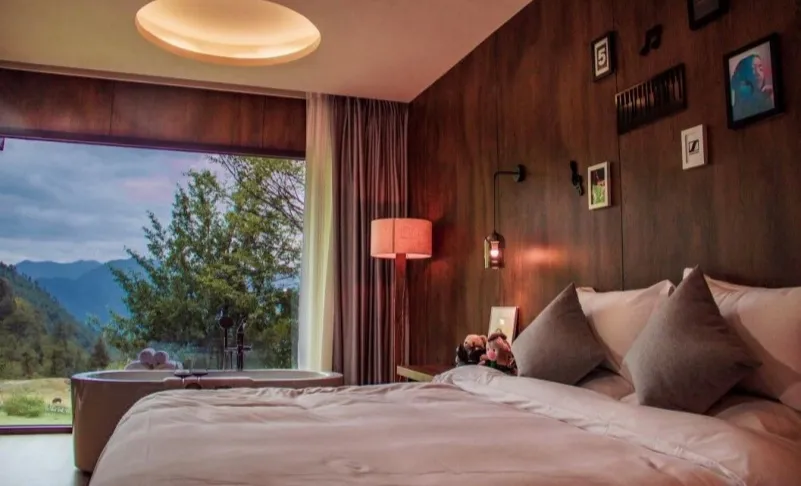

Start customizing your exclusive !
Resources Recommend

We will take you on an in-depth adventure through the Giant Panda National Park, where you will learn about the wild lives of giant pandas and Sichuan snub-nosed monkeys in their natural habitats, and discover wildlife unique to China. You will also have the opportunity to get involved in giant panda conservation efforts by becoming a giant panda volunteer.Here, you can not only appreciate the beautiful and rich natural environment of China but also deeply experience Chinese culture
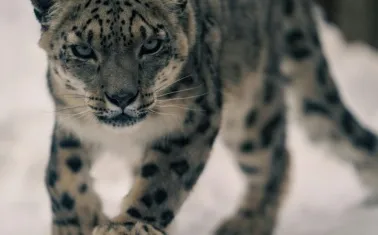
The Sanjiangyuan National Park on the Qinghai-Tibet Plateau, with an average altitude of around 4,600 metres, is a veritable paradise for wildlife. We shall witness the mass migration of Tibetan antelopes, track snow leopards as they roam the snow-capped mountains, and seek out wild yaks, kiangs, white-lipped deer, blue sheep, Tibetan foxes, black-necked cranes, bar-headed geese and Himalayan vultures – wildlife rarely seen elsewhere.
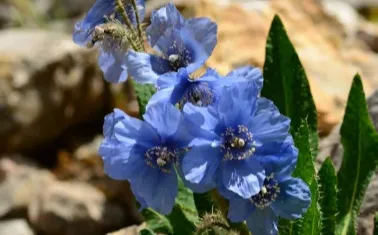
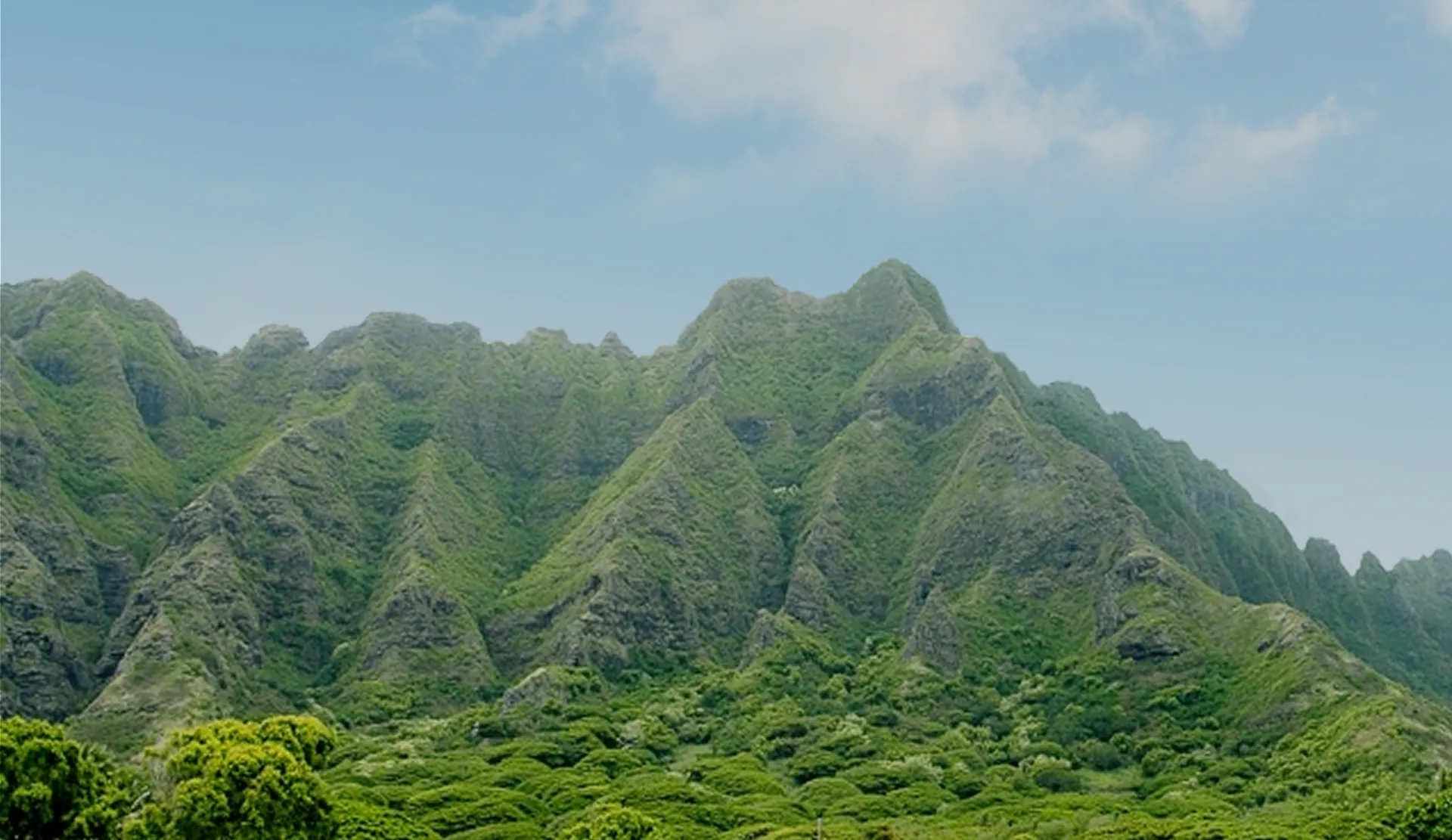
The Shangri-La region is a uniquely distinctive geographical area, home to hundreds of snow-capped peaks, deeply incised gorges, vast alpine pastures, scattered mountain lakes and vast primeval forests... It serves as a microcosm of the Northern Hemisphere’s biodiversity and ecological environment, and is truly a mecca for flower enthusiasts from around the world. It is also a place of great cultural charm, offering visitors the opportunity to experience China’s diverse ethnic cultures.
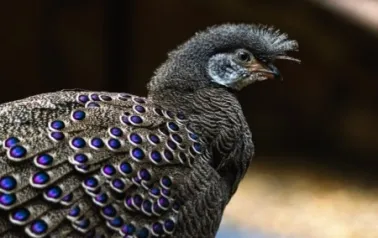
We’ll ‘trek’ across the Gaoligong Mountains from Baohua Ridge in Baoshan on the eastern slope, arriving at Hornbill Valley, where we’ll soak in natural hot springs amidst the birdsong echoing through the mountain streams, marvel at the diversity of bird species in the woodlands, and encounter a host of distinctive feathered friends in their varied habitats!


+86-28-62058618

info@bestecotours.com

No. 889, Section 1, Riyue Avenue,
Qingyang District, Chengdu City,
Sichuan Province

Copyright © 2026 •BESTECOTOURS
| Open Positions | Privacy Policy | Terms and Conditions | Manage Cookies